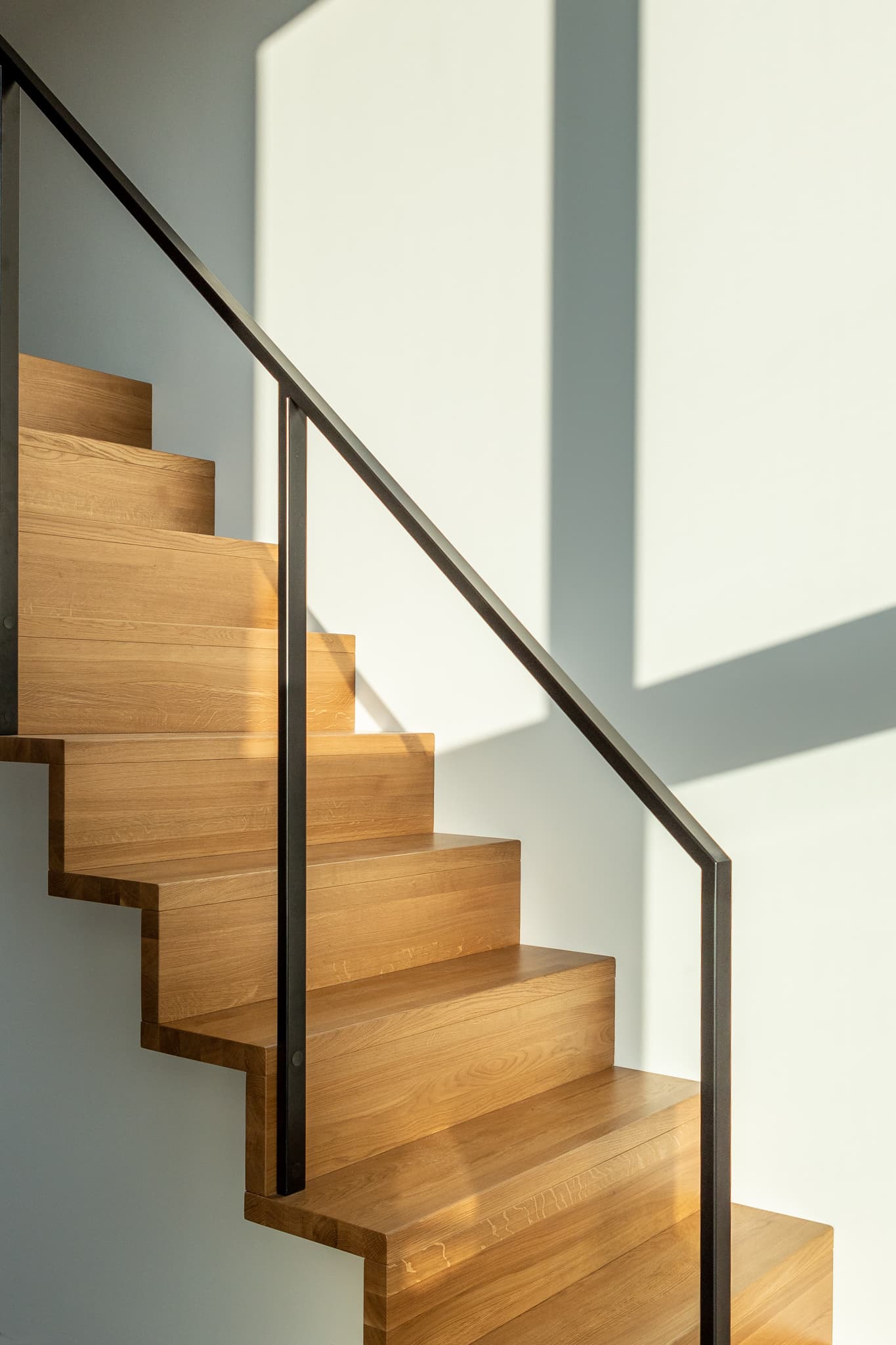
Wooden Staircases
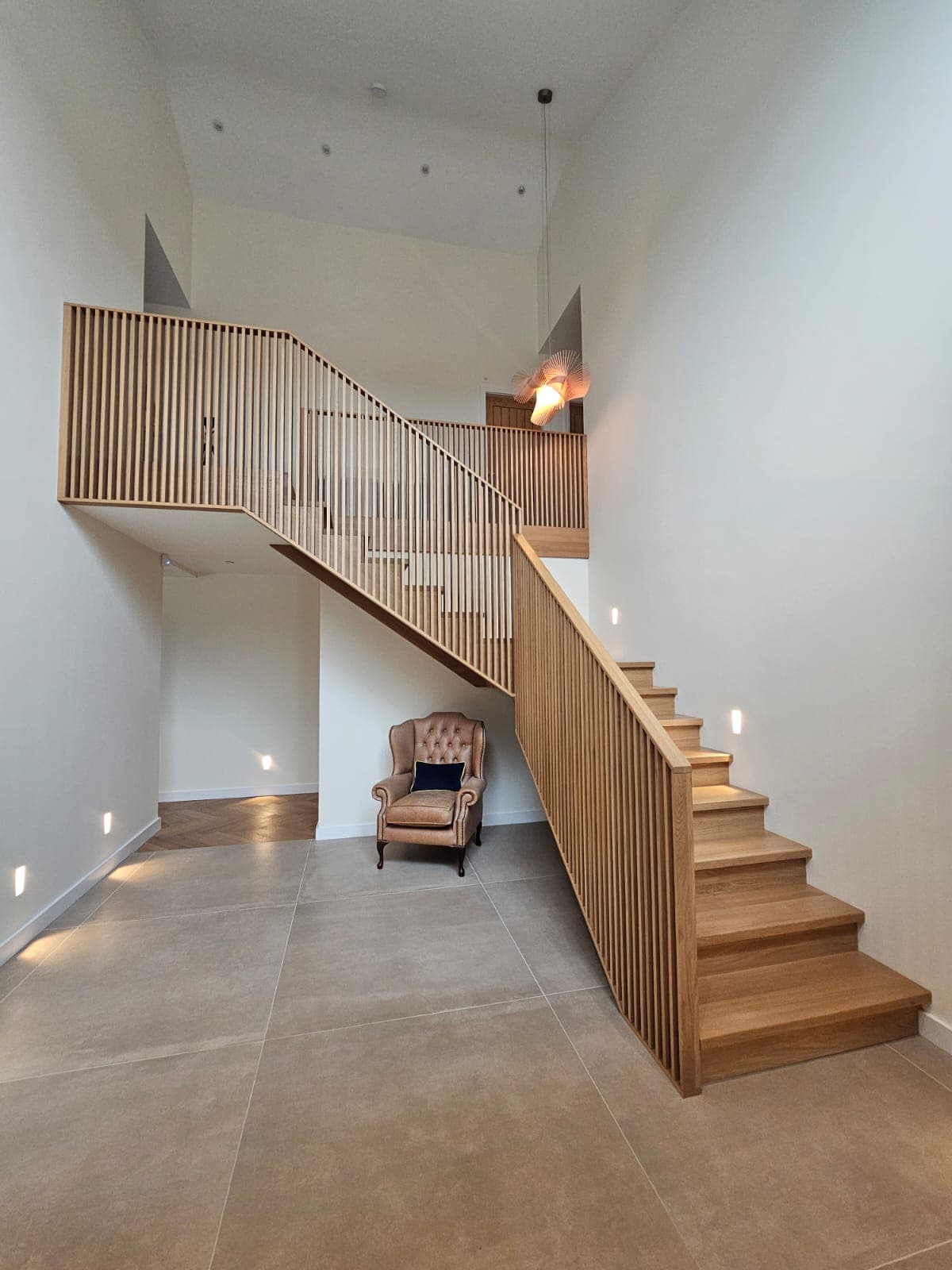
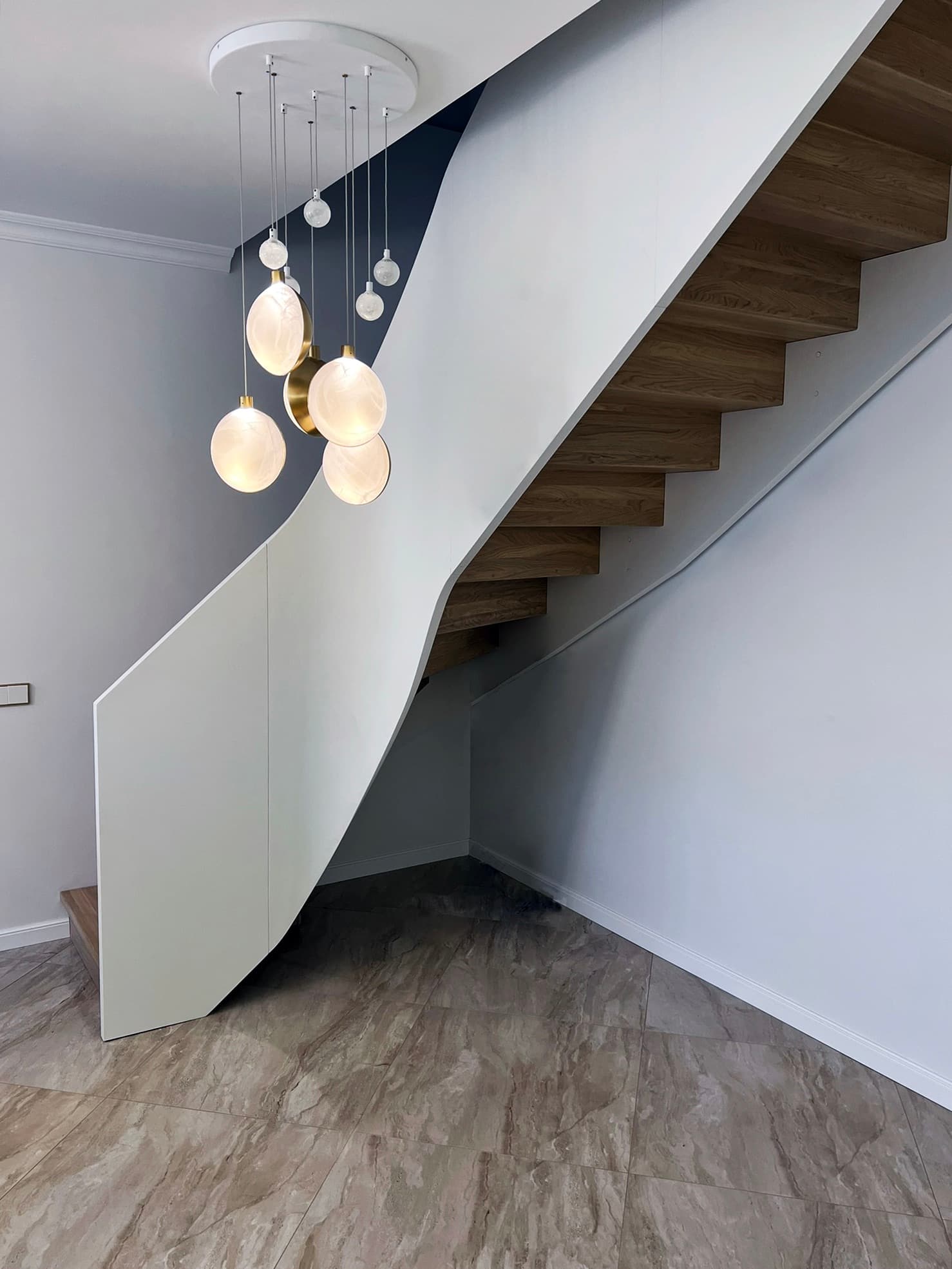
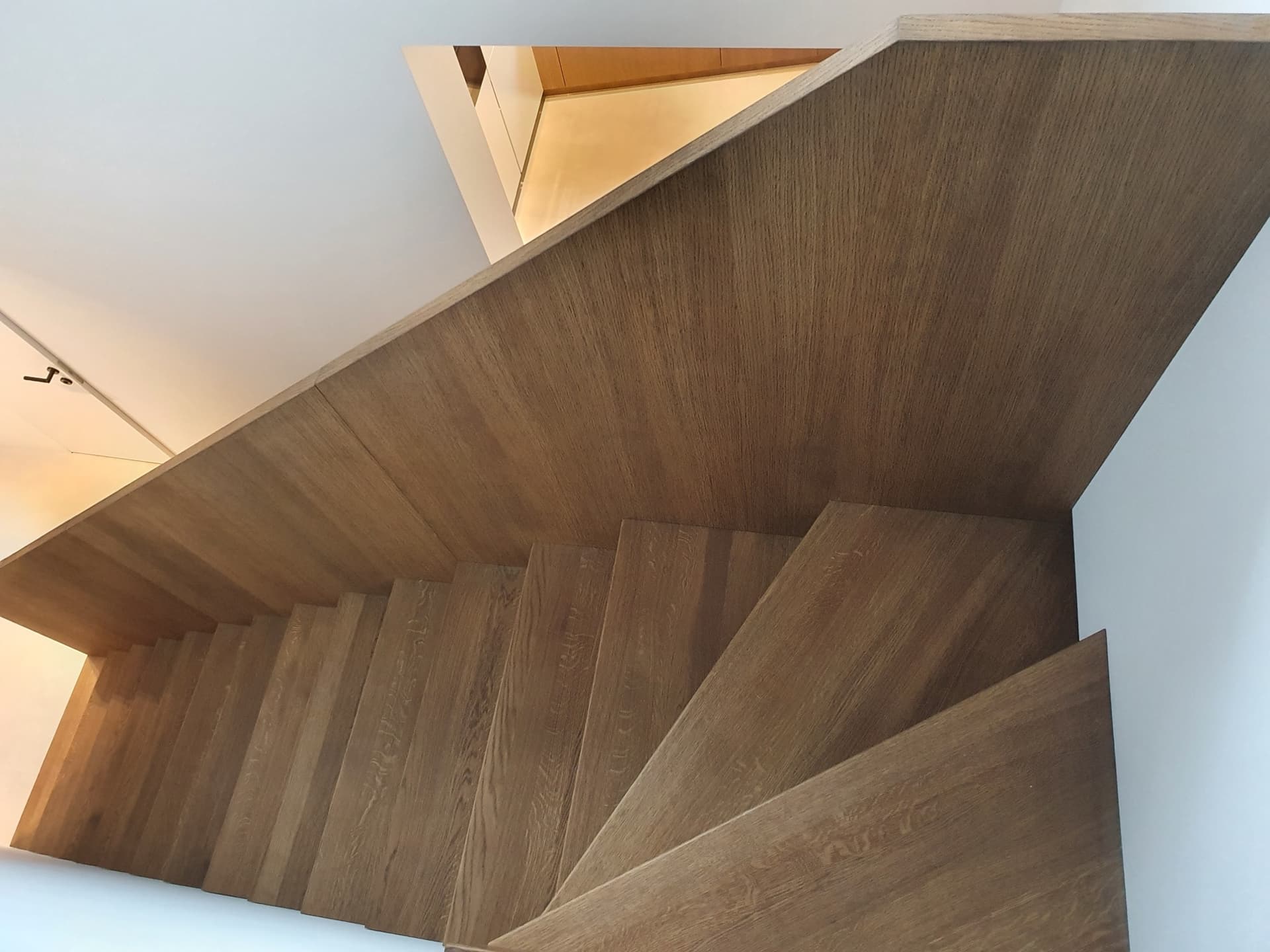
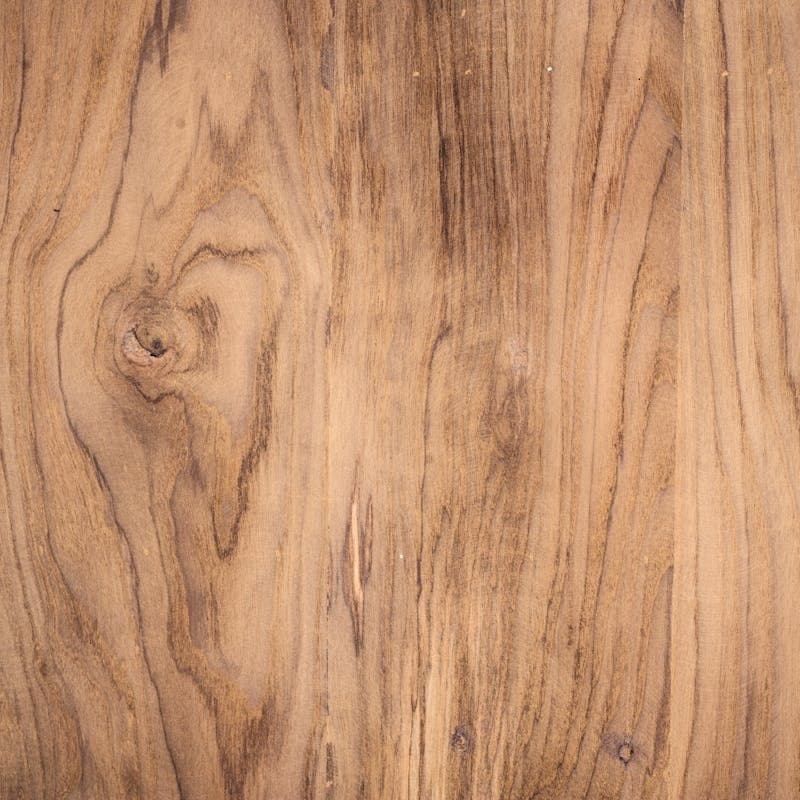
Wooden staircases are a timeless choice — they bring warmth, character, and a sense of permanence that no other material can match. MOLTURI wooden staircases are manufactured from solid hardwoods — we recommend European oak for its durability and robustness, though walnut and ash are equally beautiful options.
We use traditional mortise-and-tenon and dovetail joints throughout — the same techniques that have proven their strength over centuries. No metal brackets or modern shortcuts on the visible joinery.
For period homes and listed buildings, we work with architects and conservation officers to match existing turned baluster profiles, carved newel posts, moulding details, timber species, and paint finishes — ensuring continuity with the original architectural scheme.
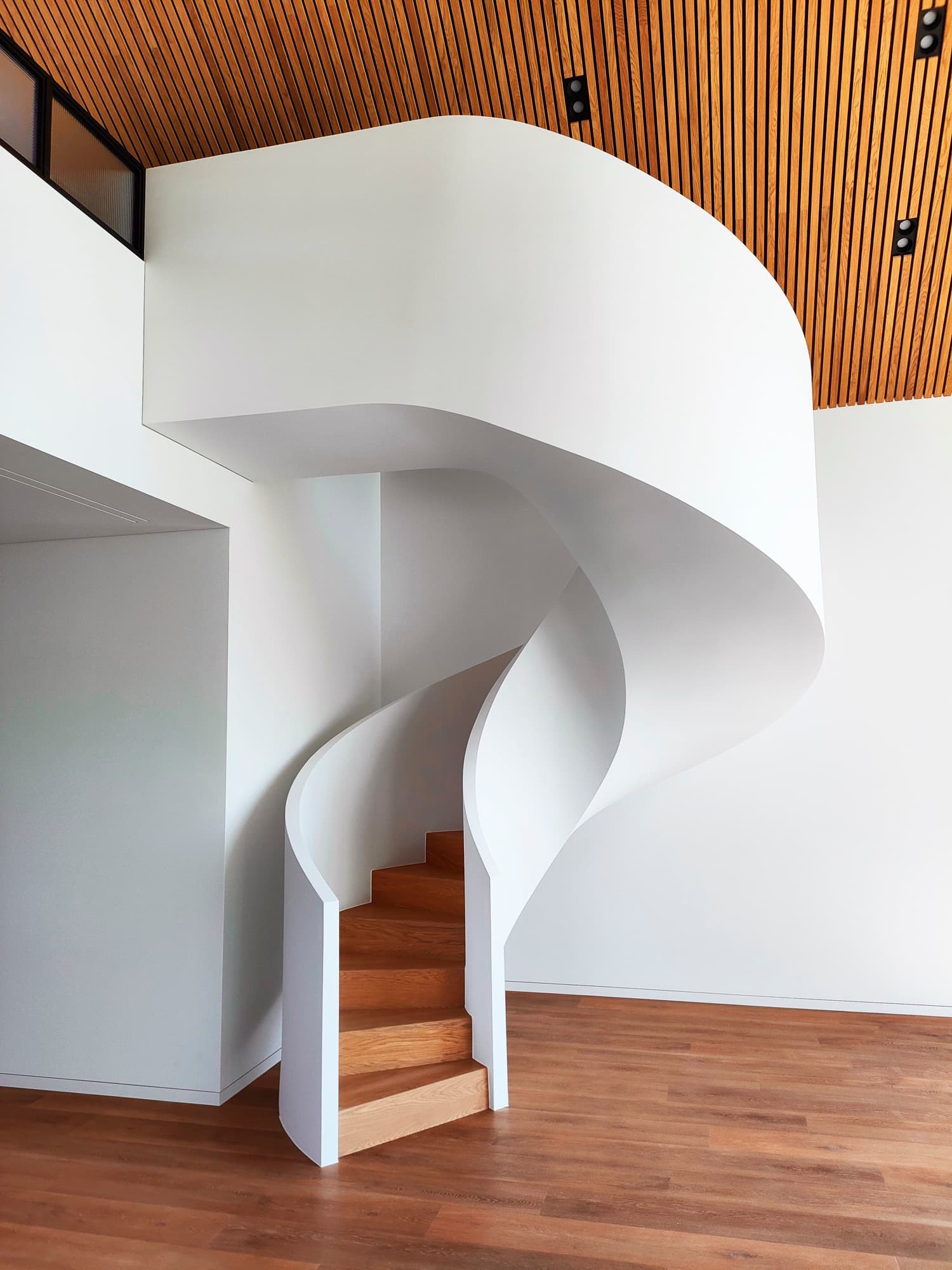
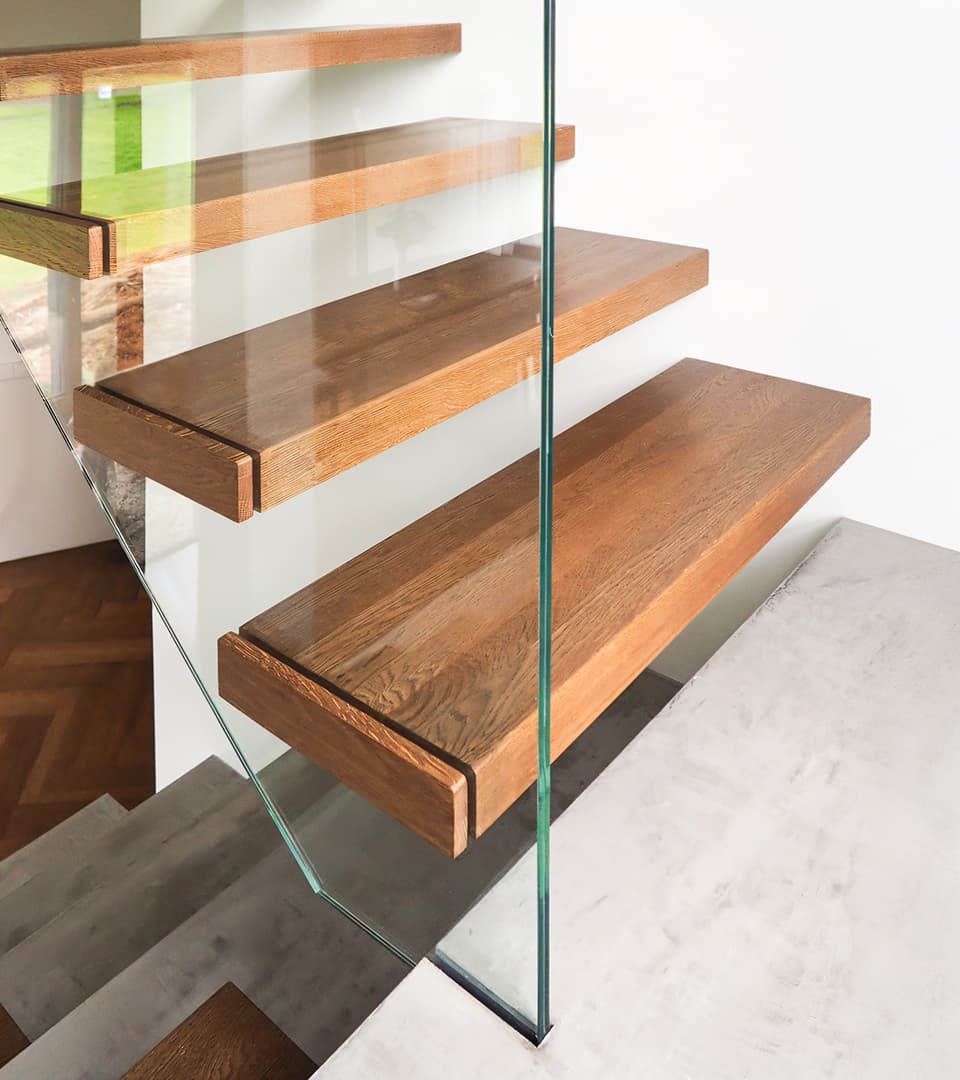
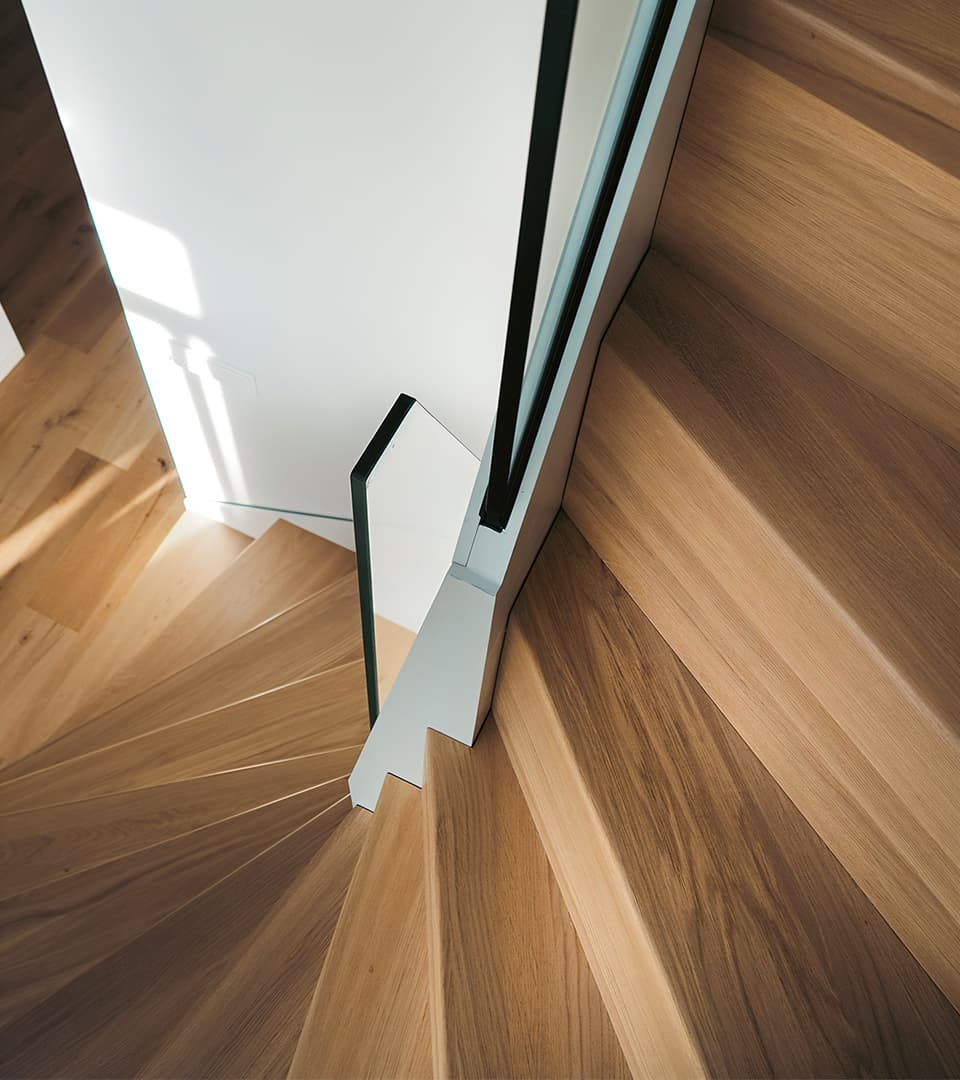
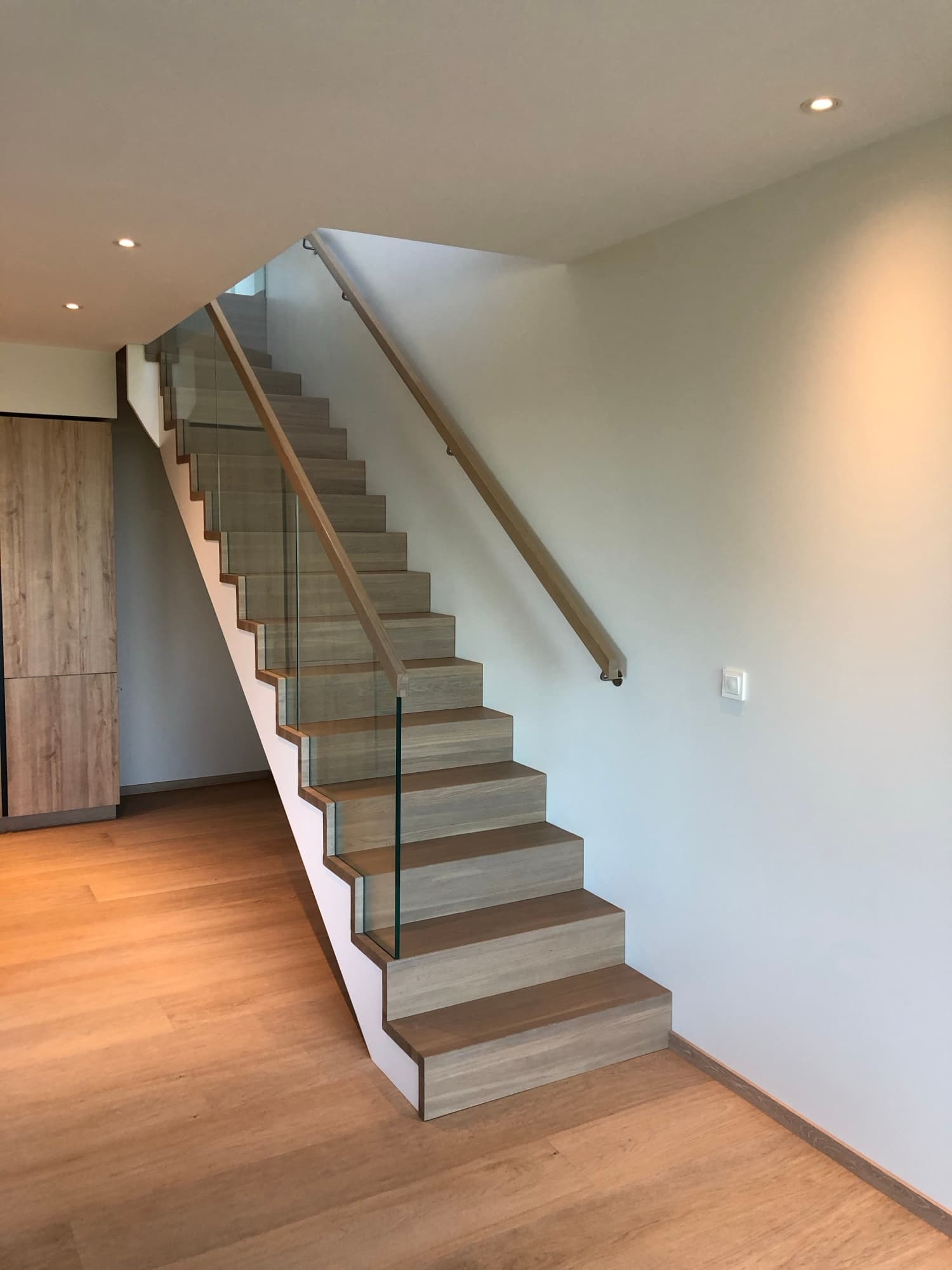
For contemporary homes, solid wood can be paired with glass or steel balustrades for a more modern expression while retaining the warmth of natural timber. Whether a straight flight, dog-leg, quarter-turn, or winding configuration, every wooden staircase is built to the same standard: full workshop assembly, structural compliance, and installation by our dedicated UK team.
Common questions about wooden staircases
What wood is best for a staircase?
+
We recommend European oak for most wooden staircases — it is exceptionally durable, robust, and ages beautifully. Walnut is a popular choice for darker, richer interiors, while ash offers a lighter tone with excellent strength. All are solid hardwoods that will last generations. We can also provide painted hardwood finishes in any colour to match your interior scheme.
Can you match a wooden staircase to existing period joinery?
+
Yes. We regularly match timber species, turned baluster profiles, carved newel posts, moulding details, and paint finishes to existing architectural schemes. We can work from photographs, physical samples, or original drawings to ensure continuity with the original design.
Do you work on listed buildings?
+
Yes. We have experience working with conservation officers and listed building consent requirements. We can match period details precisely while ensuring the staircase meets current building regulations. Our team handles the liaison with building control throughout the process.
What joints do you use in wooden staircases?
+
We use traditional mortise-and-tenon and dovetail joints throughout — the same techniques that have proven their strength over centuries. No metal brackets or modern shortcuts on the visible joinery. The result is a staircase that is structurally sound and beautiful in its construction.
Can wooden staircases be combined with glass or steel?
+
Absolutely. Solid wood treads paired with glass balustrades or steel handrails create a contemporary expression while retaining the warmth and character of natural timber. This combination is popular in modern homes that want a natural feel without a purely traditional aesthetic.
Discuss your wooden staircase project
Every commission begins with a conversation. Tell us about your space and how you envision the staircase.